
Contents
- 🌕 The Celestial Spectacle: What Exactly *Is* a Full Moon?
- ✨ Cosmic Significance: Why the Full Moon Captivates Us
- 🔮 Rituals Under the Lunar Glow: Harnessing Full Moon Energy
- 🌿 Nature's Rhythms: Full Moon's Influence on the Earthly Realm
- 🌙 Full Moon Folklore: Myths, Legends, and Lunar Lore
- ⚖️ Skeptic's Corner: Debunking Full Moon Myths and Misconceptions
- 🌌 Astrological Insights: The Full Moon's Energetic Imprint
- 🧘♀️ Personal Transformation: Full Moon as a Catalyst for Change
- Frequently Asked Questions
- Related Topics
Overview
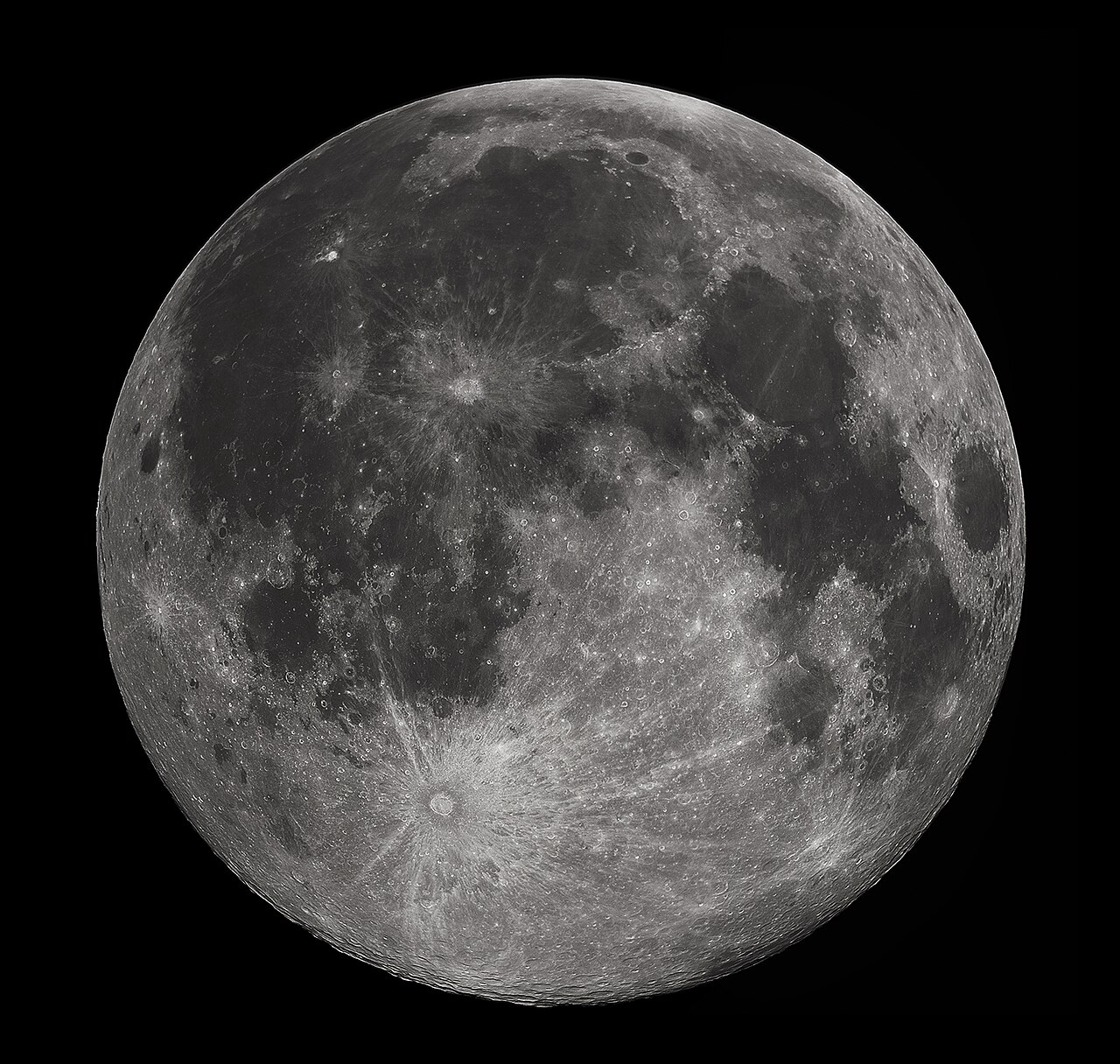
The full moon, a celestial ballet occurring approximately once a month, marks the lunar phase where the Moon presents its entire sunlit face to Earth. This breathtaking phenomenon happens when our planet positions itself directly between the Sun and the Moon, bathing the lunar disk in maximum illumination. From our vantage point, it appears as a luminous, near-perfect circle gracing the night sky, a stark contrast to its crescent or gibbous phases. This alignment is not merely an astronomical event; it's a potent visual cue that has resonated with humanity for millennia, influencing everything from calendars to cultural narratives. Understanding this basic astronomical setup is the first step to appreciating its deeper implications.
✨ Cosmic Significance: Why the Full Moon Captivates Us
Across cultures and throughout history, the full moon has been imbued with profound spiritual and symbolic meaning. It's often seen as a time of heightened energy, culmination, and illumination, representing the peak of the lunar cycle. This potent phase is frequently associated with heightened intuition, emotional intensity, and a powerful call for introspection and release. Many spiritual traditions view the full moon as an opportune moment to connect with the divine, manifest intentions, or engage in practices that amplify spiritual awareness. Its radiant presence in the night sky serves as a constant reminder of cycles, transformation, and the interconnectedness of celestial and terrestrial energies.
🔮 Rituals Under the Lunar Glow: Harnessing Full Moon Energy
The full moon is a cornerstone for numerous spiritual practices and witchcraft rituals. Many practitioners engage in specific ceremonies designed to harness its amplified energy. Common practices include full moon cleansing rituals to release old patterns, manifestation spells to bring desires into being, and gratitude practices to acknowledge blessings. Creating a personal altar and charging crystals under the full moon's light are also popular methods. These rituals often involve meditation, chanting, and the use of symbolic tools like candles and herbs to focus intent and amplify the lunar energy. The goal is to align personal energy with the potent cosmic forces at play during this phase.
🌿 Nature's Rhythms: Full Moon's Influence on the Earthly Realm
Beyond human spiritual practices, the full moon exerts a tangible influence on Earth's natural systems. Its gravitational pull is a primary driver of tides, causing significant fluctuations in ocean levels. While anecdotal evidence abounds regarding its effect on animal behavior, scientific consensus is more varied, though some studies suggest correlations with nocturnal animal activity and reproductive cycles. The increased ambient light can also impact plant growth and nocturnal navigation for certain species. This deep connection to the Earth's rhythms underscores the full moon's role not just in spiritual pursuits but also in the fundamental workings of our planet's ecosystems.
🌙 Full Moon Folklore: Myths, Legends, and Lunar Lore
The full moon is a rich wellspring of folklore and mythology, woven into the fabric of human storytelling. From ancient myths of werewolves and lunar deities to tales of heightened emotions and madness (the term 'lunacy' itself derives from Luna, the Roman moon goddess), its presence has long been associated with the extraordinary. Many cultures have specific names for each full moon of the year, often tied to seasonal events or animal behaviors, such as the 'Wolf Moon' in January or the 'Harvest Moon' in autumn. These names reflect a deep, ancestral understanding of the moon's cyclical journey and its perceived impact on the world around us, shaping our collective consciousness.
⚖️ Skeptic's Corner: Debunking Full Moon Myths and Misconceptions
Despite its widespread cultural and spiritual significance, many popular beliefs surrounding the full moon lack robust scientific backing. The notion that full moons cause increases in hospital admissions, crime rates, or erratic human behavior is largely unsubstantiated by rigorous research, with many studies finding no significant correlation. While the gravitational pull on tides is undeniable, its direct impact on human physiology or psychology remains speculative. Skeptics often attribute perceived effects to confirmation bias, where people are more likely to notice and remember events that align with the belief in lunar influence. It's crucial to distinguish between cultural symbolism and scientifically verifiable phenomena.
🌌 Astrological Insights: The Full Moon's Energetic Imprint
In astrology, each full moon is unique, occurring when the Sun and Moon are in opposite zodiacal signs, creating a dynamic tension and highlighting a particular theme for introspection. For example, a full moon in Aries, opposite the Sun in Libra, might bring to light issues of self-assertion versus partnership. Astrologers interpret these alignments as moments of revelation, where unconscious patterns are brought to the surface for awareness and integration. This phase is often seen as a time to release what no longer serves us, particularly in the area of life governed by the sign the full moon occupies. Understanding the specific astrological placement of a full moon can offer profound insights into its energetic message.
🧘♀️ Personal Transformation: Full Moon as a Catalyst for Change
The full moon serves as a powerful catalyst for personal growth and transformation. Its peak illumination mirrors a moment of clarity, urging us to confront what has been hidden or unresolved. Many individuals use this phase to conduct a 'full moon release,' journaling about fears, limitations, or negative patterns they wish to shed. This act of acknowledgment and intentional release, amplified by the moon's potent energy, can create significant shifts in perspective and behavior. It's a time to celebrate achievements, acknowledge lessons learned, and set intentions for the next lunar cycle, fostering a continuous process of evolution and self-discovery.
Key Facts
- Year
- -4500000000
- Origin
- Natural celestial event
- Category
- Spiritual Practices
- Type
- Phenomenon
Frequently Asked Questions
What is the astronomical definition of a full moon?
Astronomically, a full moon occurs when the Earth is positioned directly between the Sun and the Moon. This alignment causes the side of the Moon facing Earth to be fully illuminated by the Sun, appearing as a complete, bright disk in the night sky. This phase happens approximately once every 29.5 days, marking the peak of the lunar cycle.
Are there specific rituals associated with the full moon?
Yes, many spiritual traditions and witchcraft practices incorporate full moon rituals. These often focus on releasing old energies, manifesting intentions, practicing gratitude, or performing spiritual cleansing. Common elements include meditation, journaling, charging crystals, and setting intentions under the moon's light.
Does the full moon really affect human behavior?
While many cultural beliefs link full moons to increased erratic behavior, scientific evidence for a direct causal link is largely inconclusive. Studies have often failed to find significant correlations between full moons and phenomena like increased hospital admissions or crime rates. Perceived effects are often attributed to confirmation bias rather than direct lunar influence.
How does astrology interpret the full moon?
In astrology, a full moon signifies a peak or culmination point, occurring when the Sun and Moon are in opposite zodiacal signs. This opposition highlights themes of balance and tension, bringing unconscious matters to the surface for awareness. It's considered a potent time for release and integration of lessons learned.
What are some common names for full moons?
Throughout history, various cultures have named full moons based on seasonal events or natural phenomena. Examples include the 'Wolf Moon' (January), 'Snow Moon' (February), 'Flower Moon' (May), 'Harvest Moon' (September/October), and 'Cold Moon' (December). These names connect the lunar cycle to the Earth's rhythms.